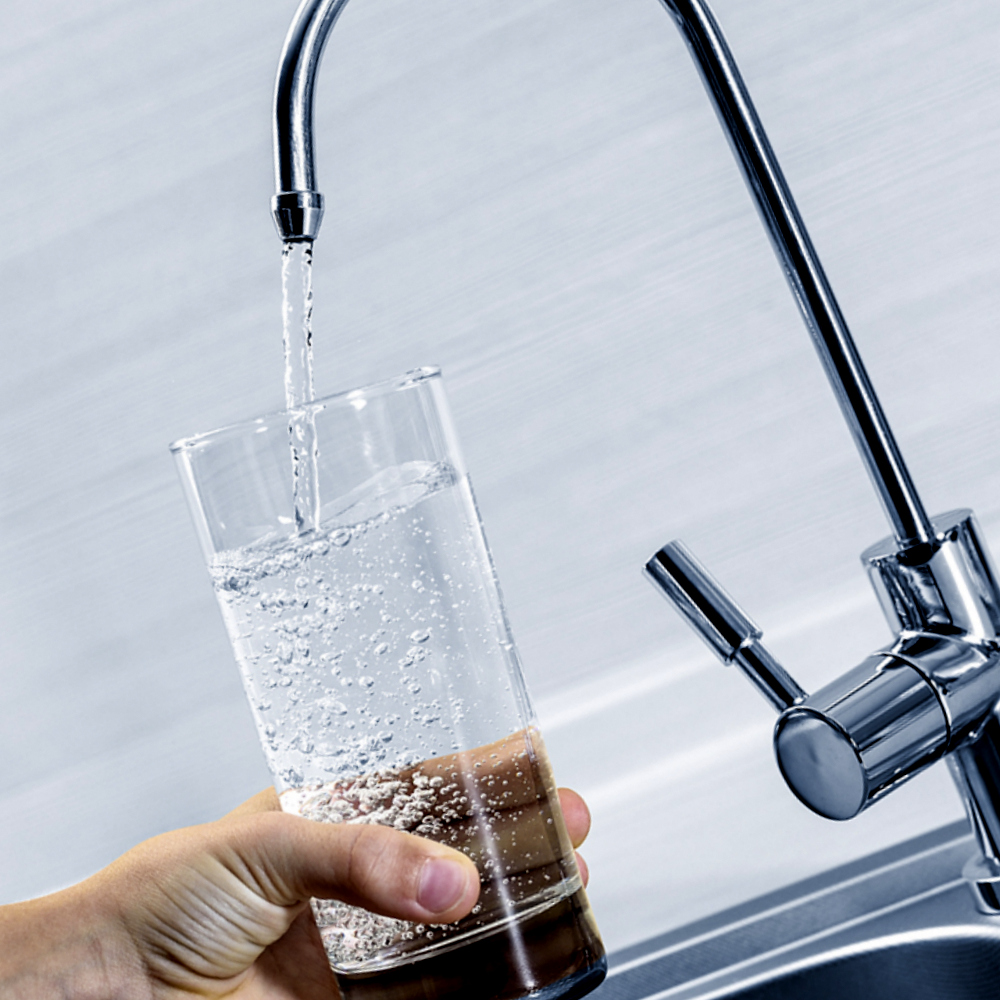
Safe Drinking Water in El Paso
El Paso Water provides quality water to El Paso city residents per the quality standards stipulated by the United States Environmental Protection Agency. El Paso Water performs their due diligence by testing their water for any trace of dangerous substances and subject it to a rigorous purification procedure before allowing it to flow to households or business premises.
This water quality standard (read more about it here) is attributed to enhanced treatment techniques and upscaling of complexity of clinical equipment. This is water quality standard never seen before in El Paso.
Water used in the entire city of El Paso is sourced from streams, rivers, lakes, wells, springs, reservoirs, and ponds. Water can be massively contaminated in the process of flowing through the surface of the earth. The earth is loaded with naturally-occurring minerals. These minerals are easily dissolved when they come in contact with water. Also, water flowing over the earth’s surface can pick up dangerous substances left behind by humans or animals.
Contaminants that get into water sources
Non- living contaminants
Non-living or inorganic contaminants consist of metals and salts. They might occur naturally or come about as result of farming, oil and gas exploration and production, wastewater emanating from domestic or industrial setups, or storm water runoff experienced in urban centers.
Microorganism contaminants
They include bacteria and viruses. They emanate from domestic and wildlife, septic systems, and sewerage treatment plants.
Radioactive contaminants
Radioactive materials occur naturally or can result from mining activities or gas and oil exploration and mining.
Herbicides and pesticides
Pesticides and herbicides may stem from agricultural activities, home uses, or storm water runoff.
Organic chemical contaminants
Sources may include by-product of industrial activities such as volatile and synthetic organic chemicals, septic systems or gas stations.
The United States Environmental Protection Agency guarantees that tap water is risk-free by instituting rules and regulations that set the boundary for the amount of contaminants present in water disseminated by public water systems. The FDA, on the other hand, has a set limit of contaminants present in bottled water to ensure public protection from any potential water-related health risk. Water, whether bottled or tap contains some contaminants, which only affect the taste, interfere with the color or cause odors. These are not necessarily a cause for health concern.
However, if you think your water is contamined by one of the things above, you should consider to call a plumber to fix it up. Click here to read more how our plumbing company can help you.
Sources of water used by El Paso City Residents
El Paso City residents use water from three sources; 2 ground water sources and 1 surface water source. The ground water sources include the Hueco Bolson aquifers and Mesilla Bolson. The Rio Grande is the only surface water source. The source of water really depends on the time of the year. Some customers receive water from one source, while a majority receives from two sources.
El Paso water treatment plants produce safe water that exceeds the threshold required by the United States Environmental Protection Agency. The quality and safety of water are usually measured once it passes through the filter and El Paso Water treats their water to the level of 0.1 NTUs, which is way better than the required standard set by EPA( 0.3 NTUs)
Scope of El Paso Water services
El Paso water services cater for those in and out of the city perimeter. The scope covers the city of El Paso, Homestead, Canutillo, and Westway. They also extend wholesale water services to numerous communities spread across El Paso County.
Source water assessment
The source water assessment seeks to determine the quality and safety of water from the source. The Texas Commission on Environmental Quality performed an assessment to determine the quality and safeness of El Paso Water. Vulnerabilities were recorded, but due to the depth of the ground water, mitigating factor was present.
The fact that the surface water originates from upstream states and numerous municipal and agricultural discharges utilize the Rio Grande; the surface water is exceptionally vulnerable. Nevertheless, El Paso surface water treatment plants are developed to reduce the impacts of the vulnerabilities.
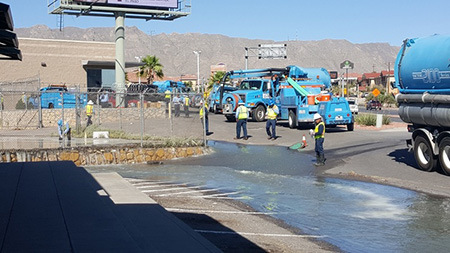
 homeowners are grappling with broken pipes across El Paso City.